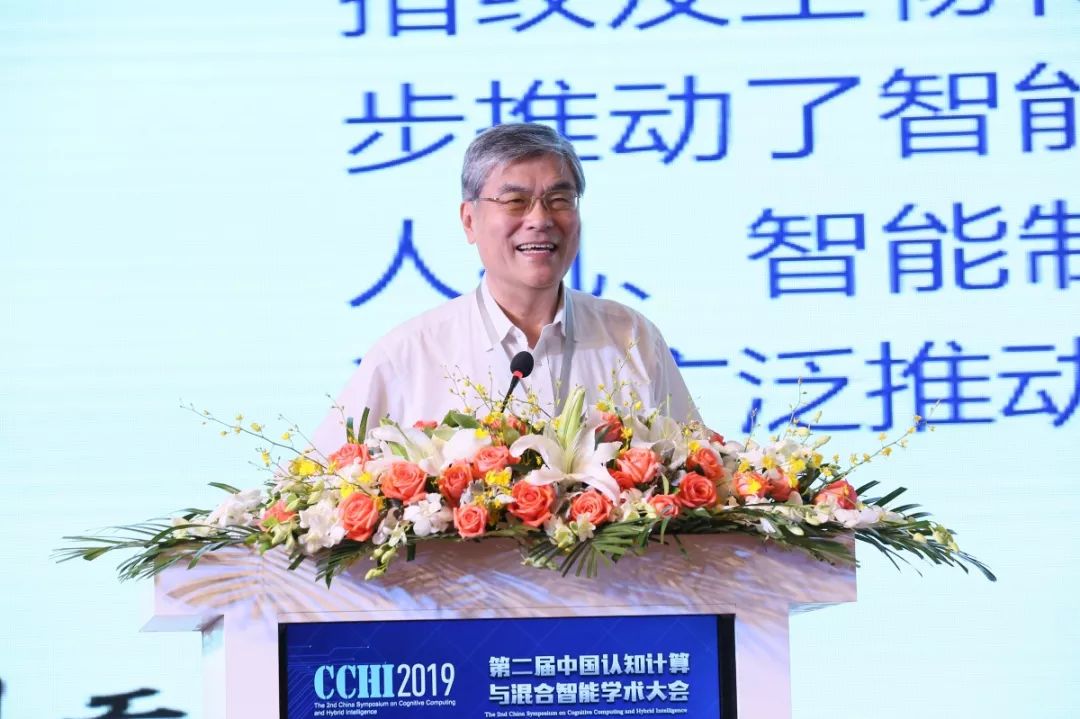
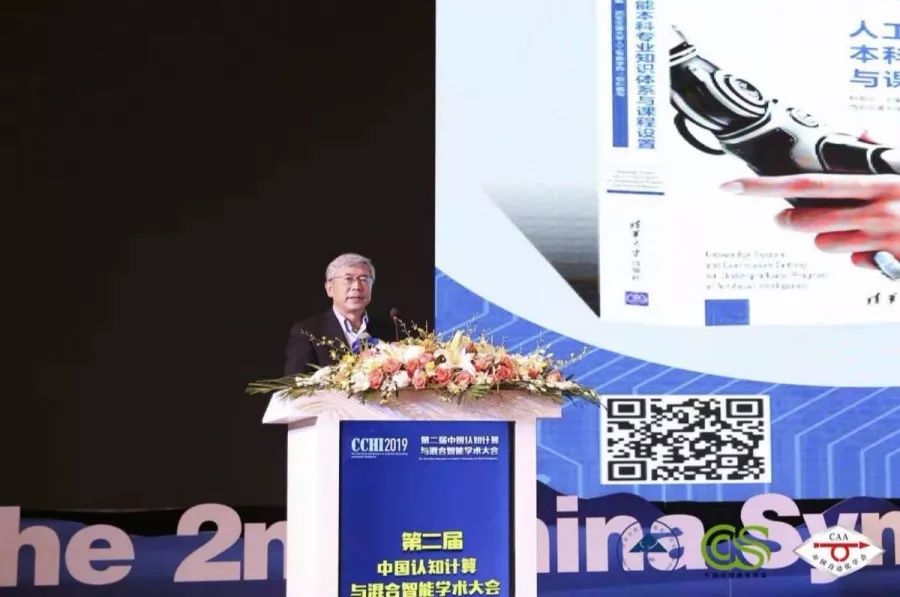
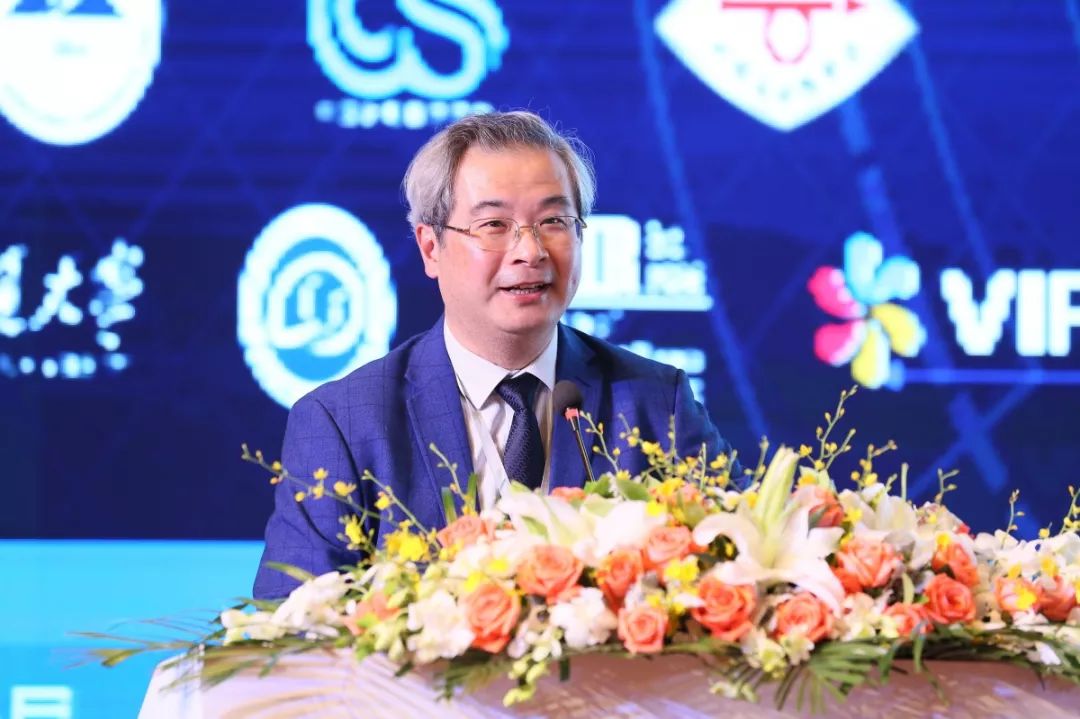
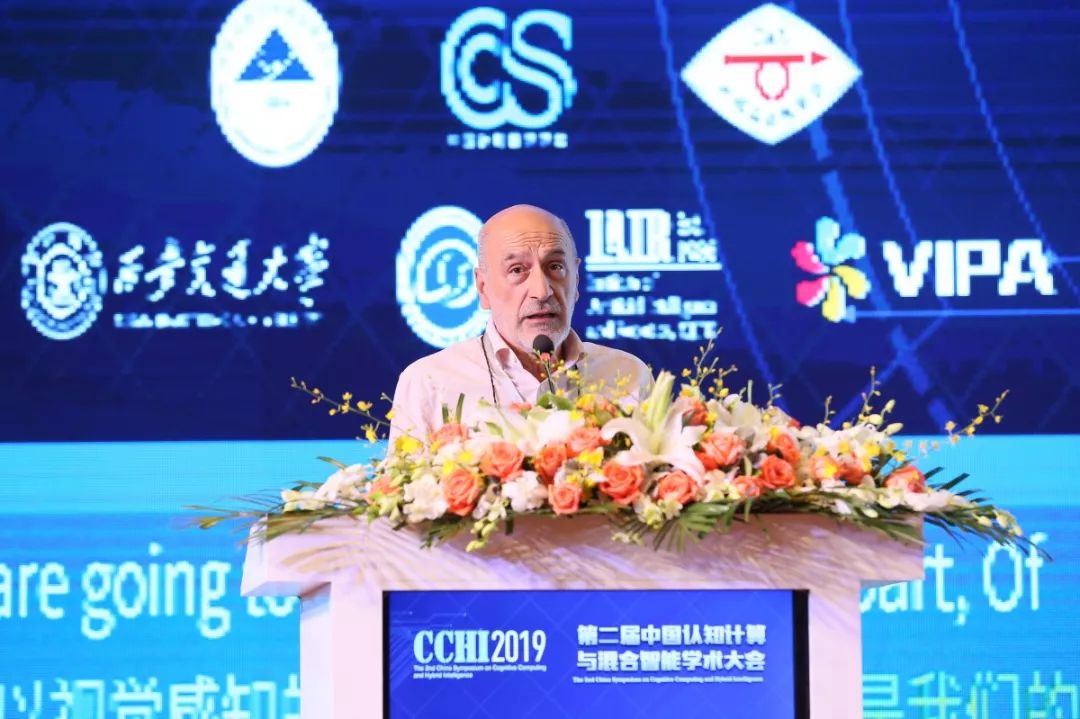
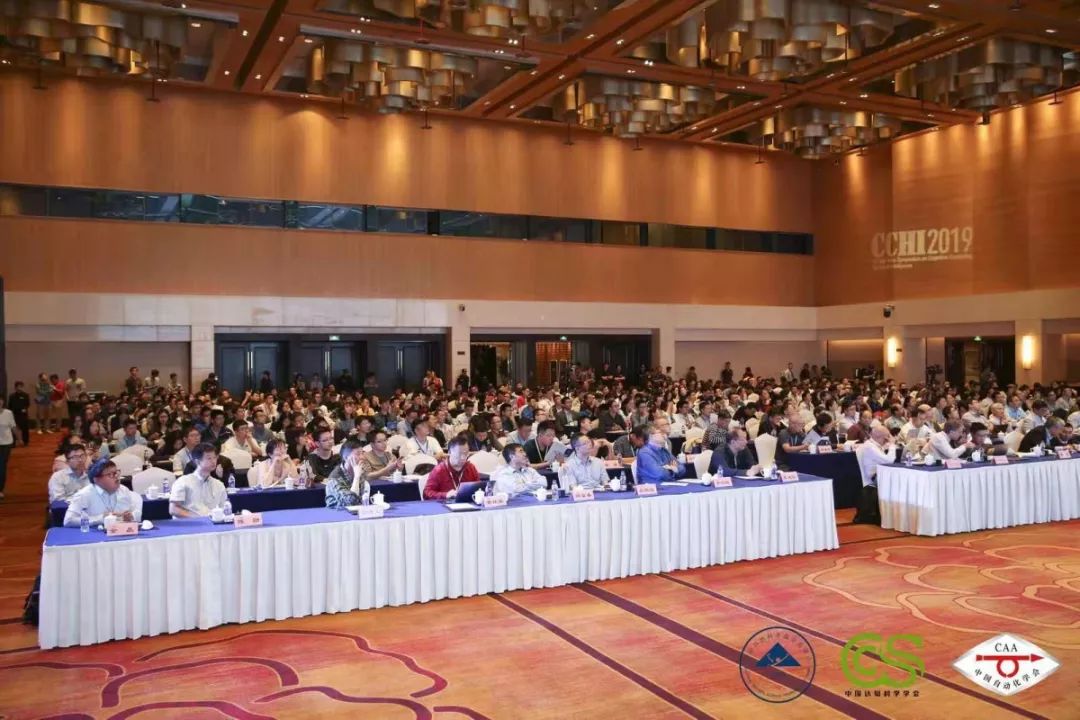
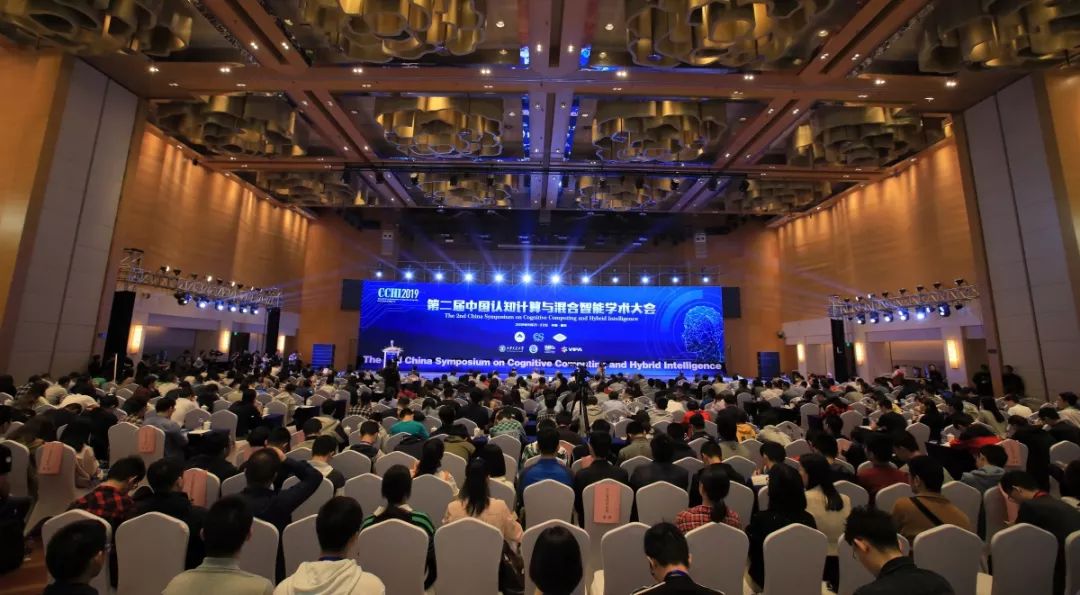
To further implement the important directive spirit of General Secretary Xi Jinpin and further promote the development of the new generation of artificial intelligence, The 2nd China Symposium on Cognitive Computing and Hybrid Intelligence, co-sponsored by Ministry of Information Science of National Natural Science Foundation of China, Chinese Society for Cognitive Science and Chinese Association of Automation, was held in Xi'an from 21 to 22 September 2019. More than 500 experts, scholars and graduate students from over 80 well-known universities, research institutions and enterprises attended the symposium.
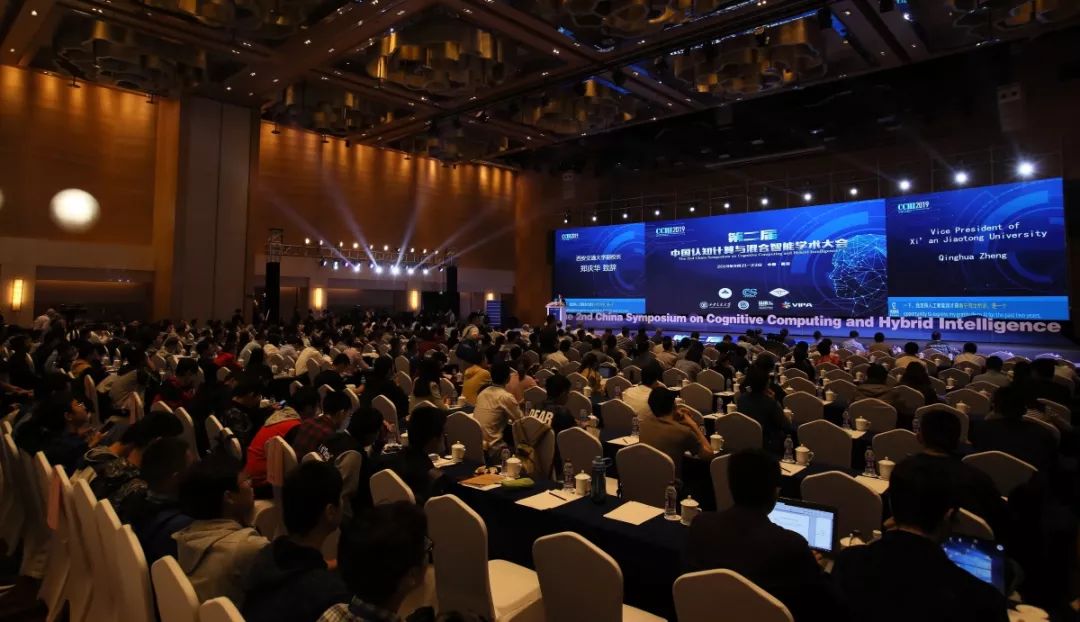
On September 21, the opening ceremony was presided over by Academician Zheng Nanning, President of Chinese Association of Automation. Professor Zheng Qinghua, Vice-president of Xi'an Jiaotong University, made a welcome speech. Academician Hao Yue, President of the Symposium and Director of the Information Science Department of National Natural Science Foundation of China, and Academician Chen Lin, President of the Symposium and President of Chinese Society for Cognitive Science, delivered speeches respectively. Academician Pan Yunhe, Former Executive Vice President of the Chinese Academy of Engineering, Academician Chen Lin and Zhang Xu of Chinese Academy of Sciences, Professor Colin Blakemore, Foreign Academician of Chinese Academy of Engineering, and leaders and guests from the Information Science Department of the National Natural Science Foundation of China attended the opening ceremony.
This symposium is the highest level and largest academic conference in the field of artificial intelligence in China. Its purpose is to discuss the latest progress and frontier technologies in the fields of cognitive science, neuroscience and artificial intelligence. The conference invited 28 well-known scholars and experts from famous universities, research institutes and technology companies at home and abroad (including 2 academicians of Chinese Academy of Sciences and Chinese Academy of Engineering, 1 foreign academician of Chinese Academy of Engineering and 1 academician of National Academy of Engineering) to make 8 conference reports and 20 forum reports. The purpose is to show the latest research progress, key technologies and implementation of the research teams at home and abroad in the field of cognitive computing, artificial intelligence, basic theories and methods.
Pan Yunhe, Academician of the Chinese Academy of Engineering and Professor of Zhejiang University, presented the first report entitled "About Visual Cognition".
Colin Blakemore, Fellow of the Royal Society, Foreigen Academician of Chinese Academy of Engineering, Professor of City University of Hong Kong, Honorary Professor of Oxford University, made a report entitled "How does the Brain Compute?"
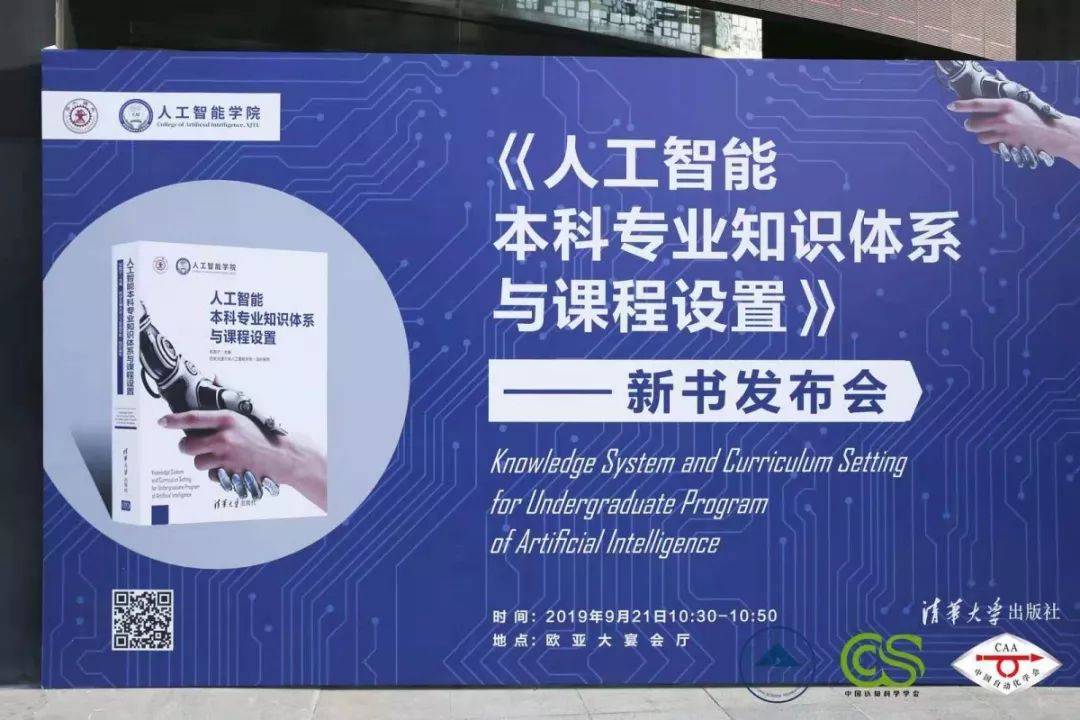
During the session, the book launch of "Knowledge System and Curriculum Setting for Undergraduate Program of Artificial Intelligence" was also held grandly. The book, led by Professor Zheng Nanning, an authoritative expert in artificial intelligence and Academician of CAE, fully reflects the highly cross-integrated characteristics of the professional knowledge system of artificial intelligence.
Zhang Xu, Academician of CAS and Researcher of Shanghai Institutes for Biological Sciences, CAS, gave a report entitled "Brain Science and Artificial Intelligence".
The report made by Jose C. Principe, a distinguished professor at the University of Florida, USA, and Fellow of IEEE and AIMBE was entitled "A Cognitive Architecture for Object Recognition in Video".
This Symposium discussed the cross-integration of brain cognitive science, neuroscience and artificial intelligence, covering four special topics: basic theory of cognitive computing, hybrid enhanced intelligence and deep learning, computing architecture and devices inspired by neuroscience, and advanced perception and intelligent environment.
The Symposium was guided and supported by 11 academicians of CAS, CAE and foreign counterparts, one academician of National Academy of Engineering and leaders from National Natural Science Foundation of China (NSFC), among other prominent scholars and senior experts.
The Symposium was undertaken by Xi'an Jiaotong University, State Key Laboratory of Brain and Cognitive Science, Institute of Biophysics, Chinese Academy of Sciences, Institute of Artificial Intelligence and Robotics, XJTU, and State Engineering Laboratory of Visual Information Processing and Application, XJTU. At the same time, it was financially supported by CAST and enterprises including MEGVII, UNISOC, Nanjing Research Institute of Next-generation Artificial Intelligence, Sunny Optical Technology (Group) Co., Ltd., and Imagination, etc.
Source: CAA Secretariat